Understanding Window Tinting Options
Types of Window Tint Film
When considering the best window tint Chattanooga TN has to offer, it’s important to understand the various types of window tint films available. Each type serves different purposes and comes with unique benefits. Here's a breakdown:
- Dyed Window Film: This film absorbs solar heat, reducing glare and enhancing privacy. It is cost-effective but may not provide the best heat rejection capabilities.
- Metalized Window Film: This type includes tiny metallic particles that reflect solar rays and enhance durability. It effectively blocks UV rays and helps in preventing fading of the vehicle’s interior.
- Carbon Window Film: Offering a matte finish, carbon films provide excellent heat rejection without the metallic look. They are known for their durability and aesthetic appeal.
- Ceramic Window Film: The top tier for heat rejection, ceramic films don’t interfere with electronic devices and provide superior UV protection. They are often the preferred choice for those seeking high performance.
Benefits of Installing Window Tint
Installing window tinting in your vehicle can offer a myriad of benefits, enhancing not just your comfort but also your vehicle's longevity. Some of the key advantages include:
- Improved Comfort: Window tinting significantly reduces heat build-up in the car, providing a more comfortable driving experience, especially during hot Chattanooga summers.
- UV Protection: Quality window films can block up to 99% of harmful ultraviolet rays, reducing the risk of skin cancer and preventing the interior materials from fading.
- Enhanced Privacy: Tinting provides a layer of privacy, protecting your belongings from prying eyes and enhancing the overall security of your vehicle.
- Reduced Glare: Window tints help minimize glare from the sun and oncoming headlights, improving visibility and reducing eye strain.
- Energy Efficiency: By reducing the amount of heat entering the vehicle, window tinting can lessen the demand on air conditioning systems, ultimately saving on fuel consumption.
Best Practices for Choosing Tint
Selecting the right window tint involves considering various factors that affect performance, aesthetics, and legal compliance. Here are some best practices to ensure you make the right choice:
- Know Your Needs: Determine if your primary focus is heat rejection, UV protection, or aesthetic appeal. Each film serves specific purposes.
- Check Local Regulations: Review tinting laws in Chattanooga to ensure compliance. Understand legal limits for visible light transmission for the front and rear windows.
- Quality Over Price: While cost is a factor, investing in high-quality tint can yield greater long-term benefits. Cheaper films may not perform well and could require reapplication.
- Read Reviews: Customer feedback and expert opinions can guide you in selecting reputable products and installation services.
- Consult a Professional: Engage with a trusted window tinting professional who can recommend products best suited for your vehicle and needs.
Installation Process Explained
Preparing Your Vehicle for Tint
Proper preparation is key to a successful window tint installation. Here’s how to prepare your vehicle:
- Thorough Cleaning: Clean all windows inside and out using a non-ammonia based cleaner to remove dirt, grease, and any contaminants that could affect adhesion.
- Remove Window Accessories: Take out any accessories such as stickers, decals, or visors that might obstruct the tinting process.
- Schedule the Appointment: Timing is important; choose a day when the weather is mild to ensure optimal conditions for tint application.
Steps in Professional Installation
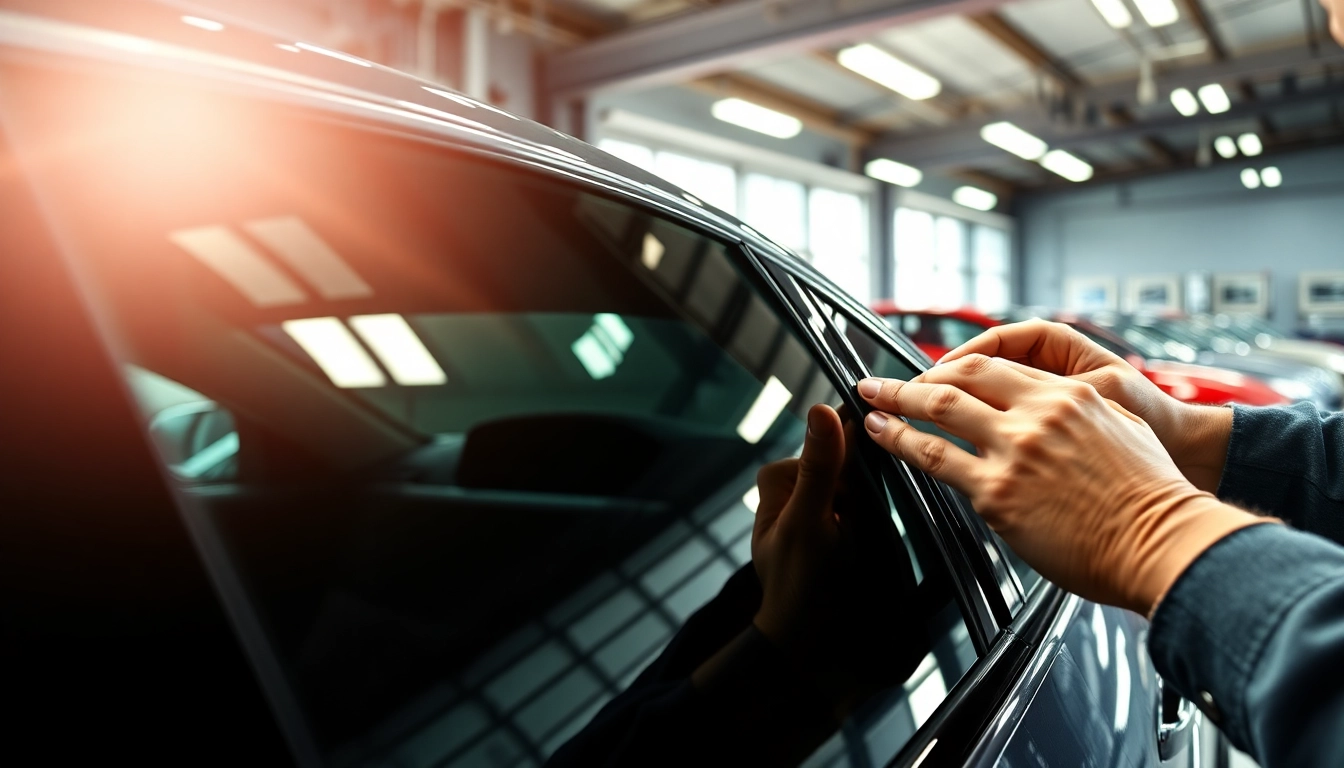
Professional window tint installation follows several detailed steps to ensure a perfect finish. Here’s what to expect:
- Cutting the Film: The professional will carefully measure and cut the film to fit each window, often using templates for precision.
- Applying the Film: After the window is cleaned and prepared, the film is applied using a solution that allows for repositioning.
- Trimming and Sealing: The technician will trim the edges for a neat finish and use a heat source to ensure proper adhesion.
- Final Inspection: A thorough check will be conducted to ensure there are no bubbles or imperfections before you drive away.
DIY Installation vs. Professional Services
While DIY window tinting kits can be tempting due to lower costs, there are significant advantages to professional installation:
- Expertise: Professionals have the experience and knowledge to ensure a flawless installation, reducing the risk of mistakes that could lead to costly redo.
- Equipment: The right tools and equipment can make a significant difference; professionals have access to better products and techniques.
- Warranty: Most professional installations come with a warranty that can cover any defects in the film or application, giving you peace of mind.
Legal Considerations for Window Tint in Chattanooga
Understanding Local Tint Laws
Before installing window tints, it's crucial to be conversant with Tennessee laws surrounding window tinting to avoid penalties:
- Front Windshield: Non-reflective tint can be applied above the manufacturer's AS-1 line.
- Front Side Windows: Must allow more than 35% of light in.
- Back Side Windows: Can have any darkness.
- Rear Window: Can have any tint darkness but must comply with visibility laws.
Consequences of Tinting Violations
Failure to adhere to local tinting laws can expose drivers to fines and legal issues. Common consequences include:
- Fines: Law enforcement can issue tickets for illegal tint.
- Re-tinting Costs: If caught, you may be required to remove or replace illegal tints at your expense.
- Insurance Complications: Illegal tints may complicate insurance claims in case of accidents.
How to Verify Tint Compliance
Ensuring your window tint is compliant can be done through several methods:
- Visible Light Transmission (VLT) Meter: Professional shops can measure how much light passes through your window tint.
- Consult Local Regulations: Check the Tennessee Department of Safety website for the latest tinting laws.
- Seek Professional Guidance: A trusted installer can help ensure that your tint meets all local regulations.
Maintaining Your Window Tint
Cleaning and Care Tips
Proper maintenance can prolong the life of your window tint and keep it looking great.
- Avoid Abrasive Cleaners: Use a soft cloth and a gentle cleaner to avoid scratching the tint.
- Wait Before Cleaning: Allow at least 30 days after installation before cleaning your windows to ensure the tint adheres properly.
- Use a Non-Ammonia Cleaner: Choose cleaners specifically recommended for window films.
Common Issues and Solutions
Despite the durability of modern window films, you might encounter some common issues over time, including:
- Bubbles: These can often be treated with a pinhole to release air and smoothing out with a soft cloth.
- Peeling Edges: This can be resealed with heat, but persistent issues should be addressed by a professional.
- Discoloration: If the tint starts to fade, it could be due to poor quality film or improper installation; replacement may be necessary.
How Long Should Window Tint Last?
The lifespan of window tint can vary widely based on the type of film and quality of installation. Typically:
- Dyed Films: Last about 5 years.
- Metalized Films: Can last anywhere from 5 to 10 years.
- Ceramic Films: High-quality ceramic tints can last 10 years or more with proper care.
Frequently Asked Questions
What is the best window tint Chattanooga TN for heat rejection?
The best window tint for heat rejection in Chattanooga includes ceramic films, known for their superior performance without interfering with visibility.
How much does window tinting cost?
Costs vary based on vehicle size and film type, typically ranging from $100 to $400 for a full car tint.
Is window tinting a legal requirement?
While you’re encouraged to follow local regulations, window tinting is not legally required in Tennessee unless seeking specific exemptions.
Can window tint help with UV protection?
Yes, quality window tints can block over 99% of harmful UV rays, protecting your skin and interior from sun damage.
How long does window tint installation take?
Professional installation usually takes between 2 to 4 hours, depending on the vehicle model and tint complexity.