
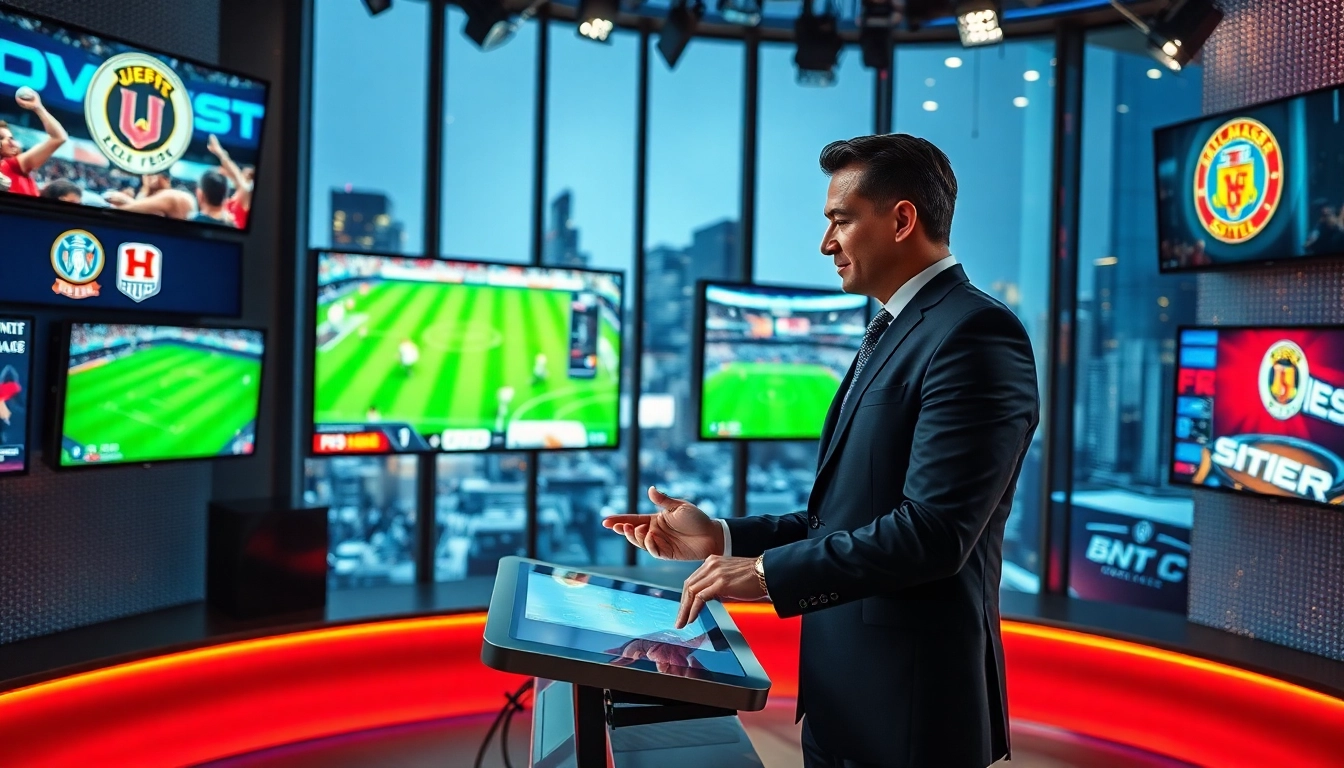
Understanding the Fundamentals of Sports Broadcasting
What is Sports Broadcasting?
Sports Broadcasting refers to the dissemination of sporting events through various media channels, including television, radio, and online platforms. It combines elements of journalism, entertainment, and technology to deliver live or recorded content to a diverse audience. The primary objective is to provide fans with access to games, highlights, and insights into the sport, fostering community engagement and enhancing viewer experiences. With the rise of digital platforms, Sports Broadcasting has evolved into a multifaceted industry, adapting to new technologies and audience demands.
Roles and Responsibilities in Sports Broadcasting
The realm of sports broadcasting encompasses a variety of roles, each integral to the process of delivering comprehensive coverage. Broadcasters range from on-air talent, such as sports commentators and reporters, to behind-the-scenes staff, including producers, technicians, and graphic designers. Commentators are tasked with providing live in-depth analysis and play-by-play commentary, helping to bring the sport to life for viewers. Meanwhile, producers orchestrate the overall presentation, ensuring seamless transitions and adherence to broadcasting standards. Technical staff handle the equipment and technology required for broadcasting, while social media managers focus on engaging with audiences digitally.
The Evolution of Sports Broadcasting
From its inception with radio broadcasts in the early 20th century to today's high-definition television and streaming services, sports broadcasting has undergone significant transformation. Initially, sports events were relayed via radio, allowing audiences to visualize the gameplay through descriptive commentary. With the advent of television, broadcasts became visual spectacles, incorporating graphics, slow-motion replays, and expert analyses, which brought sports into living rooms worldwide. The internet revolutionized the field again, ushering in on-demand content and live streaming capabilities, thus enhancing accessibility and reach.
The Technology Behind Sports Broadcasting
Key Equipment Used in Sports Broadcasting
Sports broadcasting relies heavily on advanced technology and equipment to ensure high-quality broadcasts. Core components include cameras, microphones, mixing consoles, and encoders. Multiple camera angles capture action from various perspectives, ensuring viewers do not miss significant moments. Microphones placed around the field enhance audio quality, picking up the sounds of gameplay and commentary effectively. Mixing consoles blend audio streams to produce a polished sound mix, while encoders compress video signals for transmission over different media platforms.
Innovative Technologies Shaping Sports Broadcasting
Innovations like augmented reality (AR), virtual reality (VR), and high-definition graphics are increasingly utilized to enhance viewer experiences. AR overlays graphics on live video, providing statistics and information without obstructing gameplay. VR allows fans to experience games from a player’s perspective, offering immersive experiences unlike anything previously available. Meanwhile, drone technology provides unique aerial shots, further enhancing the storytelling aspect of broadcasts and engaging audiences in new ways.
Impact of Social Media on Sports Broadcasting
Social media platforms have fundamentally altered how fans engage with sports broadcasting. They serve as a supplementary channel for real-time updates, highlights, and interactive content. Broadcasters leverage platforms like Twitter, Instagram, and TikTok to connect with audiences during live events, enhancing viewer engagement through polls, commentary, and behind-the-scenes content. Moreover, social media provides broadcasters with valuable feedback, enabling them to adapt their coverage to audience preferences and trends.
Techniques for Successful Sports Broadcasting
How to Plan Your Sports Broadcast
Strategic planning is crucial for effective sports broadcasting. Broadcasters should conduct thorough research to understand the teams, players, and storylines leading up to the event. Developing a detailed broadcast plan, which includes timing, segment structure, and potential guest interviews, is essential. Coordination with technical teams ensures a smooth operation, preventing disruptions during live broadcasts. Continuous review of past broadcasts can provide insights into areas for improvement while refining overall presentation quality.
Effective Communication Skills for Sports Broadcasters
Successful sports broadcasters must master various communication skills to convey information clearly and engagingly. This includes being articulate, maintaining a dynamic tone, and adjusting pacing based on the action unfolding on-screen. Practicing active listening is critical for responding to co-hosts and guests effectively, thus fostering a collaborative atmosphere. Additionally, understanding audience demographics and tailoring language and references to suit their interests can enhance relatability and connection.
Engaging Your Audience Through Storytelling
Storytelling is a powerful tool in sports broadcasting that captivates and engages audiences. Broadcasters should aim to convey not just the game's events but also the narratives of players, teams, and rivalries. This can be achieved through interviews, historical context, and personal anecdotes, adding depth to the coverage. Crafting a cohesive storyline throughout the broadcast helps maintain viewer interest, making even non-thrilling moments feel significant and relatable.
Challenges in Sports Broadcasting
Addressing Live Broadcast Challenges
Live broadcasting presents unique challenges, including unpredictable events and audience reactions. Broadcasters must be prepared for sudden changes, whether due to unexpected game moments or technical glitches. Training in improvisation is beneficial for on-air talent, equipping them to handle disruptions gracefully and maintain viewer engagement. Moreover, established contingency plans for technical issues ensure minimal impact on the broadcast quality.
Maintaining Viewer Engagement Amid Competition
With an abundance of entertainment options, maintaining viewer engagement is increasingly challenging. Broadcasters should continually innovate content formats, introducing interactive segments, expert interviews, and fan participation opportunities to captivate audiences. Leveraging social media to build community around sports, through contests and live chats, can also enhance viewer loyalty. Regularly analyzing viewer data helps tailor content that resonates with specific demographics, thus improving retention rates.
Handling Technical Difficulties During Live Events
Technical difficulties during live broadcasts can disrupt the viewing experience. Having a skilled technical team and robust equipment is crucial for minimizing risks. Regular equipment checks and rehearsals ensure readiness for unexpected occurrences, and backup systems should be in place for major failures. Furthermore, training for on-air talent to handle such situations, such as filling space with commentary during downtimes, can mitigate disruptions for the audience.
Future Trends in Sports Broadcasting
Emerging Trends to Watch in Sports Broadcasting
As technology continues to evolve, several trends are poised to shape the future of sports broadcasting. For instance, the rise of personalized content through AI-driven algorithms allows broadcasters to tailor viewing experiences based on individual preferences. The integration of blockchain technology offers potential benefits in terms of rights management and digital assets. Additionally, an increase in mobile-first broadcasts caters to younger, on-the-go audiences who prioritize mobile consumption of sports content.
The Role of Data Analytics in Sports Broadcasting
Data analytics is becoming increasingly vital in sports broadcasting, enabling more sophisticated analyses and enhanced storytelling. By utilizing player statistics, historical game data, and viewer feedback, broadcasters can provide deeper insights and engage fans on a greater level. Metrics can guide commentary, highlighting significant trends and player performance, making broadcasts richer and more informative. Data-driven insights can also help producers craft segments that resonate with audiences, enhancing the overall viewing experience.
How Virtual Reality is Changing Sports Broadcasting
Virtual reality is redefining the sports viewing experience by allowing fans to immerse themselves in events as if they were physically present. Through VR headsets, viewers can witness games from unique vantage points, interact with other fans, and even choose their camera angles. This transformation invites broadcasters to innovate their content delivery, creating complimentary VR experiences alongside traditional broadcasts. As VR technology becomes more widespread, it promises to redefine how fans engage with sports.
Frequently Asked Questions
1. What skills are essential for sports broadcasters?
Key skills include effective communication, research proficiency, adaptability during live events, and storytelling expertise to engage audiences effectively.
2. How has technology impacted sports broadcasting?
Technological advancements have enhanced the quality and accessibility of broadcasts, introducing real-time data, interactive content, and immersive experiences like AR and VR.
3. What are common challenges in sports broadcasting?
Challenges include live event unpredictability, maintaining viewer engagement, and managing technical difficulties that can disrupt broadcasts.
4. How do broadcasters keep viewers engaged?
Broadcasters engage viewers by providing interactive content, expert interviews, behind-the-scenes access, and tailoring storytelling to match audience interests.
5. What trends are shaping the future of sports broadcasting?
Emerging trends include personalized content through data analytics, VR experiences, and mobile-first broadcasting approaches catering to younger audiences.